Make sure everybody in your household knows where the shutoffs are for water, gas & electric and how they work. In the event of a mechanical failure or emergency, shutting things down quickly could help protect your home & family. You need to tell babysitters & the neighbour checking your house while you are away. Take family members around to each location and explain how they work.
Water Shut-off
Shuts off water supply to the entire house in case of emergency or if plumbing fixtures don’t have shutoff valves. The valve is probably next to your water meter. It could also be a ¼ turn valve. It’s usually in the basement.
If you every have a pipe burst, this is the valve you need to get shut off. It’s also a good idea to turn of the water supply to your home if you are away on vacation for an extended period of time.
Toilet Shut-off
To turn off the water supply to a plumbing fixture, locate its shutoff valve. It is usually located behind and under the toilet.
Shut-off valves for outdoor faucets are usually in the basement ceiling near the location of the outdoor faucet. Sometimes they are behind an access panel.
There should be a valve on the water line coming into the top of your water heater. It’s usually a lever that you turn perpendicular to the pipe to shut-off.
There should also be a shut-off valve on the gas line coming into your water heater.
Water Heater Shutoff Valve
Gas Line Shutoff Valve
Furnace Switch
The shut-off switch for your furnace may be at the doorway to your furnace room or on the ceiling above your furnace.
If your furnace is not working, you’ll want to check that somebody has not inadvertently turned it off.
Other Household Tips:
Furnace and Water Heater Exhaust
High efficiency furnaces and water heaters have exhaust vents and intake pipes that will be on the side of your house, near the piece of equipment. These vents must be kept clear of ice and snow. Your equipment will not operate if these pipes are blocked.
Sump Pump
Be aware of how often your sump pump cycles on and off. Make sure the pit is free of dirt, stones and debris, that could get caught in the pump’s impeller.
Do you have a battery back-up pump (shown)? This can protect you from thousands of dollars in damage if your main pump fails. Battery back up pumps should be run occasionally. To improve the longevity of the battery let the back up pump cycle 6 to 8 times to partially draw down the battery. Do this 2 to 3 times per year.
Battery back-up pumps will also protect your home during power outages.
Electrical Panel
Your panel may have circuit breakers or fuses. Major circuits (furnace, air conditioner, sump pump, freezer, etc.) should be labelled.
If you furnace or air conditioner is not working, sometimes it’s a tripped circuit breaker or blown fuse.
Furnace Filters
Know how to check and change your furnace filter. Your equipment operates more efficiently with a clean filter. A clogged filter can cause your air conditioner to freeze up and stop working. A good media filter can reduce pollen and dust in the air and help people with allergies.
Furnace Filter Access
Furnace Filter
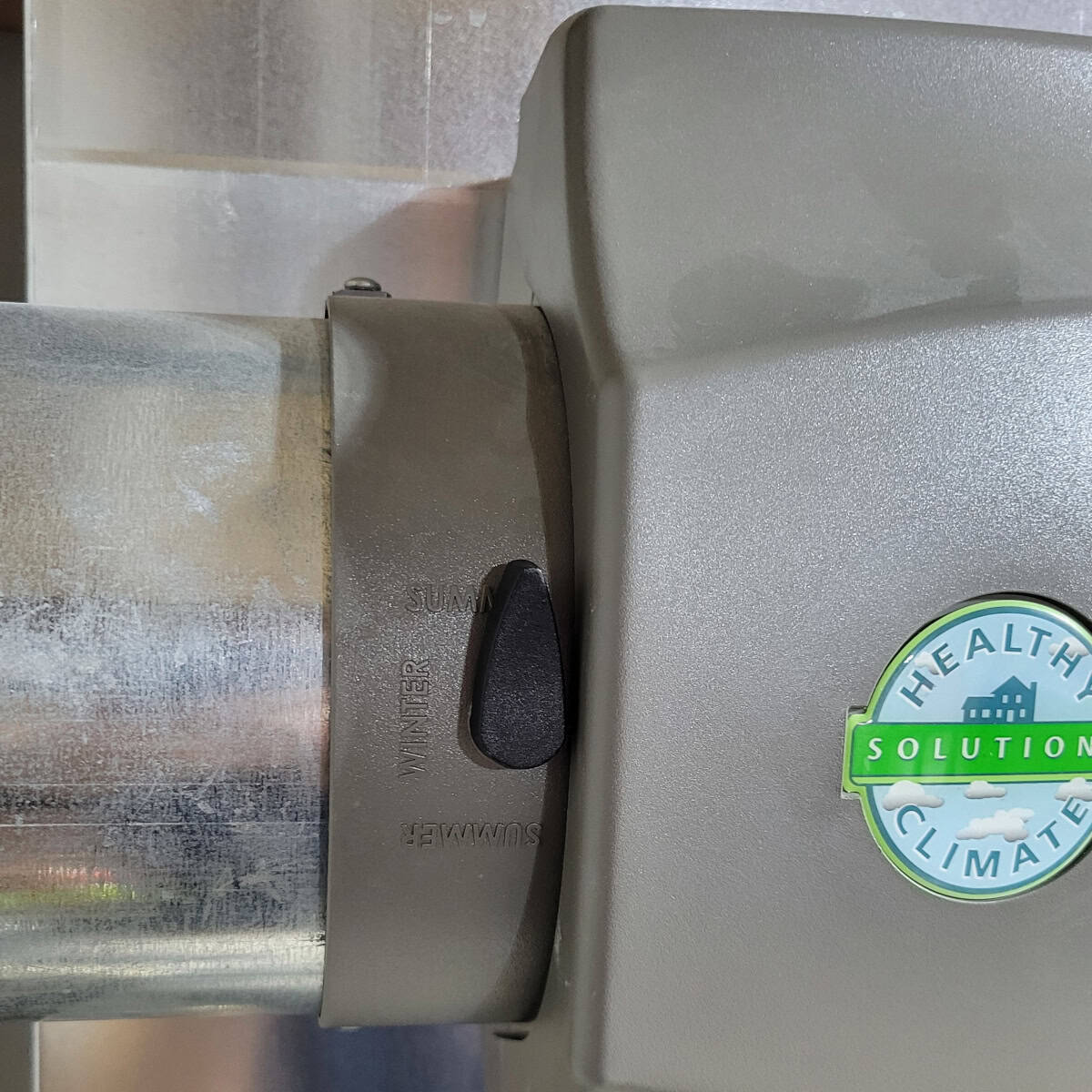
Humidifier Summer/Winter Switch
Most whole home humidifiers have a by-pass switch, to shut them off in the summer time. You don’t want air conditioned air bypassing through your humidifier.
You’ll also find a shutoff valve on the water line, so you can turn off the water to the humidifier in the summer months.
Humidifier - Summer Winter Switch
Humidifier Water Shutoff Valve
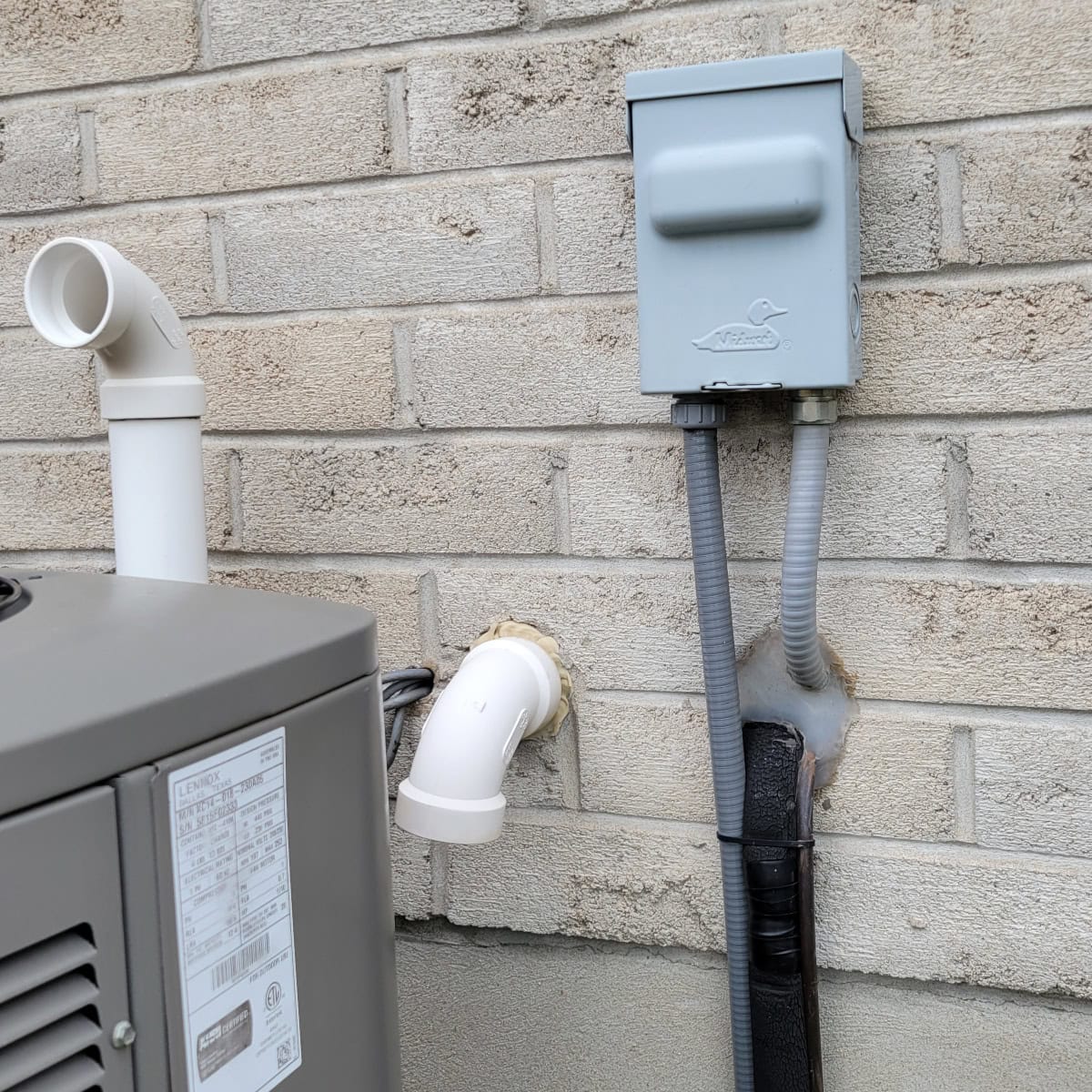
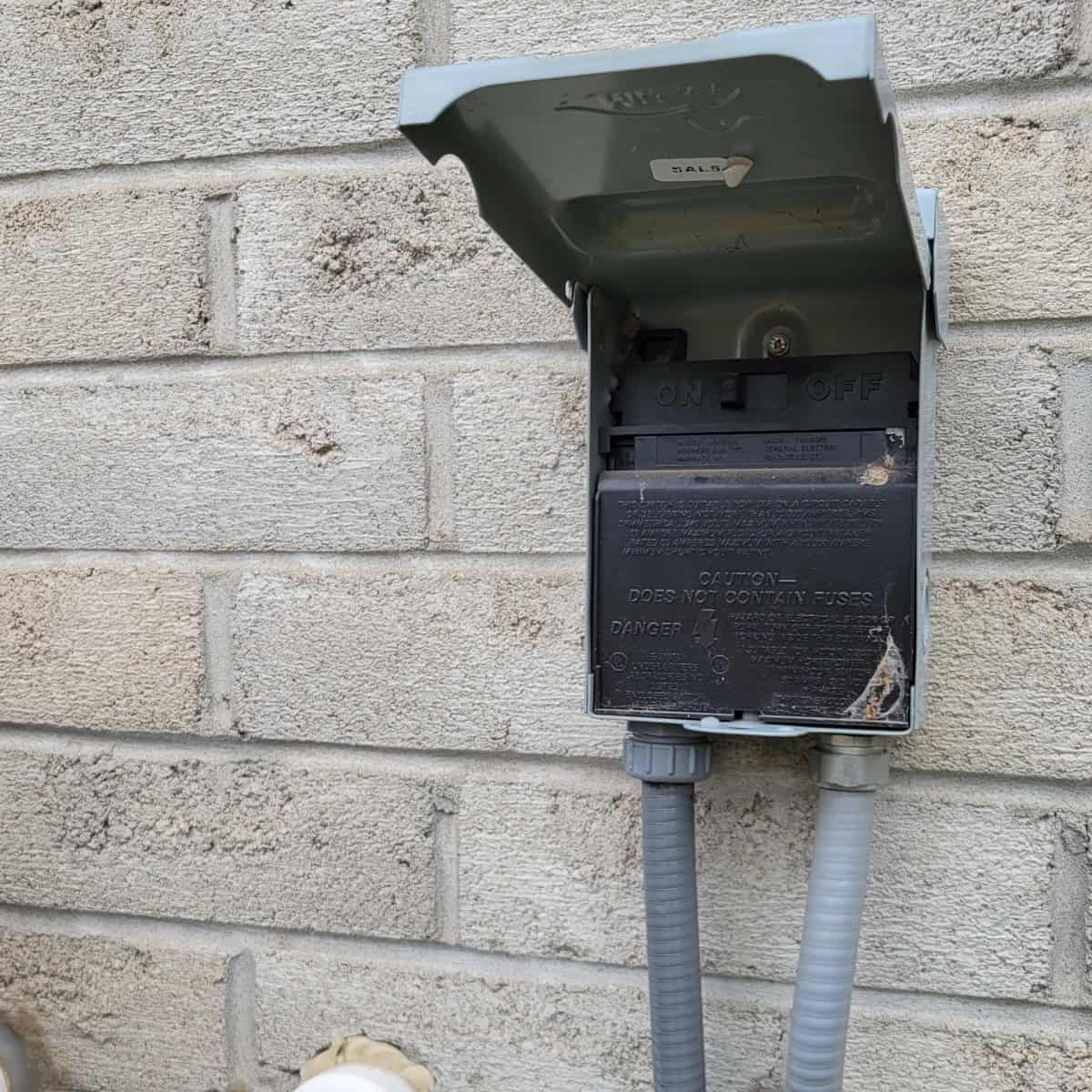
AC Shut-off Switch
On your home exterior, near the air conditioning unit, you’ll find an electrical box with a shut-off switch.
It’s good practice to shut this off in the winter months. This prevents somebody for accidentally turning on the air conditioning from your thermostat.
AC Shutoff Switch
AC Shutoff - Hatch Open
Gas Meter
Keep the meter free of ice and snow, especially the vent termination of the service regulator (upstream of meter).
If the natural gas has been turned off, do not turn it back on by yourself. Only a qualified gas fitter must do so. The operation of all pilot lights must be confirmed on all gas appliances.
To serve our customers better, we restrict our service area to the City of London and the immediate surrounding towns. That way, one of our red trucks is never far from your home when we dispatch.
We know every part of the city. We’ll probably have a pretty good idea of what to expect, before we arrive at your home.